November 7, 2025 • 5 min read
Top 8 Uses for a Home Equity Line of Credit

Your home equity opens doors to countless financial possibilities
A home equity line of credit (HELOC) is an option for borrowing against home equity. A HELOC provides a lot of financial flexibility because you gain access to a line of credit as opposed to a lump sum that you might not need all of.
When you are approved for a home equity line of credit, you are allowed to borrow up to a set amount as determined by your home equity, and you can draw from the line of credit as needed. This means it works like a credit card. If you have a $20,000 HELOC, you can borrow up to that amount, either at once or over the course of your draw period, and borrow again as you pay back what you owe.
Using home equity by taking out a HELOC allows you to accomplish many different goals. Here we’ll go over eight potential HELOC uses.
Top 8 Uses for a Home Equity Line of Credit
One of the best things about a HELOC is that you can use the money for almost anything you'd like.
A HELOC has a lower interest rate than many other kinds of debt because your home guarantees the loan, and you can usually choose to make interest-only payments during the draw period, making your early payments affordable.
If you're not sure how to use a HELOC, this list of eight common uses can help you decide if a home equity line of credit could help you.

1
Home Improvements and Renovations
Home improvement expenses are one of the best and most common uses for a home equity line of credit.
A HELOC gives you the flexibility to draw from your line of credit as needed while the project progresses. You may also be able to deduct HELOC interest on your taxes when you use your home equity line of credit to buy, build, or substantially improve your home.
2
Consolidating High-Interest Debt
Many borrowers also choose to use a HELOC for debt consolidation. This approach can work well because a HELOC typically has a much lower interest rate than a credit card or personal loan.
Your HELOC can make payments more affordable, and you can draw as much as you need from the line of credit to repay other debts you owe.
3
Covering Educational Costs
If you need to borrow extra money for educational expenses, a HELOC can be a good option. You can draw from the line of credit as you pay tuition or other costs of schooling, and the interest rate may be lower than on private student loans.
4
Preparing for Emergency Expenses
It's always a good idea to have an emergency fund with three to six months of living expenses. However, not everyone does have money saved for emergencies. An open HELOC can be very helpful for unexpected expenses because you can have the line of credit waiting and ready in case something important comes up that you need to pay for.
A HELOC is a much more affordable way to pay surprise costs than a credit card, and depending on the amount of equity you have, you may have access to a larger credit line than a credit card would offer.
5
Funding Big Purchases
While you will ideally pay for large purchases with cash, this isn't always practical. If you have something important to buy and don’t have cash on hand or don’t want to deplete your reserves, you can use your HELOC to cover the cost.
6
Funding a business venture
Starting a business or operating your own company can provide flexibility and the chance to control your own success.
You'll want to be careful about tapping too much equity for an untested business venture, as you don't want to put your house at risk. However, if you have an idea that you’re confident in or a thriving business that's growing, you can access your line of credit to pay for some essential startup or operational costs.
7
Covering medical bills
When you need medical care that insurance won't cover, and you’ve already negotiated down your bill with the care provider, you might be looking for a way to pay what’s left.
A HELOC can be an affordable way to pay for healthcare services you need, and you can access the money as you incur costs, so you aren't borrowing more than you need up front. Just be sure you have a plan to make payments on time, and repay the debt so you don't put your house at risk.
8
Buying another house
Finally, if you are buying another house, you may be able to use HELOC money to help you fund the down payment.
You'll need to explore whether this approach is better than getting a primary mortgage on the other home, as primary mortgage rates are often lower than HELOC interest rates. However, if you just want to borrow a smaller amount, say to cover the down payment until your other home sells, then a HELOC could be a viable option.
Is Borrowing Against Home Equity Right for You?
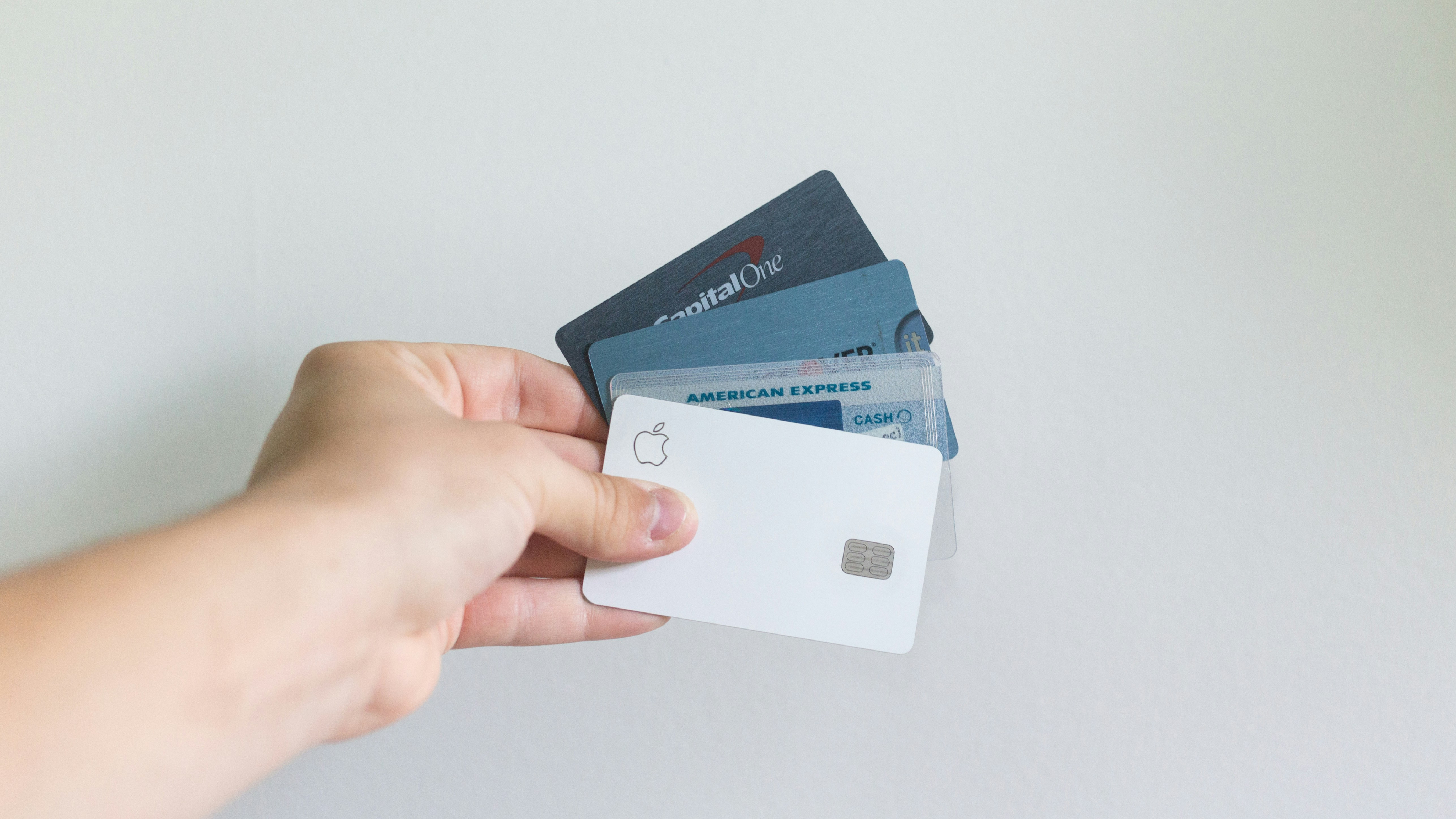
You'll need to think carefully about whether using home equity is right for you. Before borrowing against home equity, always make sure you are confident in your ability to pay and that the purchase is an important one, since you put your home on the line when tapping into equity.
You can also compare a HELOC to other borrowing options, such as credit cards, student loans, personal loans, and other mortgages, to make sure that A HELOC is the best type of debt for that particular situation.
Final Thoughts
If you've decided that a HELOC is the right choice for you, reach out to a mortgage loan professional to find out about your borrowing options, and get started on using home equity to accomplish your goals today.
Your equity is about to work harder
than your debt.
Let’s flip the script. You’ve built it. Now, leverage it.
Start My Smart Money Move
Terms of Service
Privacy Policy
Licenses
© Freedom Mortgage Corporation
Freedom Mortgage
951 Yamato Road Suite 175Boca Raton, FL 33431
NMLS #2767: NMLS consumer access.
For licensing information, please go to www.nmlsconsumeraccess.org.
Freedom Mortgage Home Equity Line of Credit is available in AK, AL, AR, AZ, CT, DE, FL, GA, IA, ID, IN, KS, KY, LA, MI, MN, MO, MS, MT, NC, ND, NE, NH, NV, OH, OK, OR, PA, SC, SD, TN, VA, WY.
For Customer Service or Complaints, email us at loans@freedom.myfastheloc.com, or call +1 (888) 586-0496 between Monday-Friday from 6am-9pm PT and Saturday-Sunday from 6am-5pm PT.

This site is not authorized by the New York State Department of Financial Services. No mortgage loan applications for properties located in the State of New York will be accepted through this site.
- A Freedom Mortgage HELOC is secured with your home as collateral, whereas personal loans and credit cards are not.
- To check the rates and terms you qualify for, we will conduct a soft credit pull that will not affect your credit score. However, if you continue and submit an application, we will request your full credit report from one or more consumer reporting agencies, which is considered a hard credit pull and may affect your credit.
- Approval may be granted in five minutes but is ultimately subject to verification of income and employment, as well as verification that your property is in at least average condition with a property condition report. Five business day funding timeline assumes closing the loan with our remote online notary. Funding timelines may be longer for loans secured by properties located in counties that do not permit recording of e-signatures or that otherwise require an in-person closing, or that require a waiting period prior to closing.
- The Freedom Mortgage Home Equity Line of Credit is an open-end product where the full loan amount (minus the origination fee) will be 100% drawn at the time of origination. The initial amount funded at origination will be based on a fixed rate; however, this product contains an additional draw feature. As the borrower repays the balance on the line, the borrower may make additional draws during the draw period. If the borrower elects to make an additional draw, the interest rate for that draw will be set as of the date of the draw and will be based on an Index, which is the Prime Rate published in the Wall Street Journal for the calendar month preceding the date of the additional draw, plus a fixed margin. Accordingly, the fixed rate for any additional draw may be higher than the fixed rate for the initial draw.
November 7, 2025 • 5 min read
Top 8 Uses for a Home Equity Line of Credit
Your home equity opens doors to countless financial possibilities
A home equity line of credit (HELOC) is an option for borrowing against home equity. A HELOC provides a lot of financial flexibility because you gain access to a line of credit as opposed to a lump sum that you might not need all of.
When you are approved for a home equity line of credit, you are allowed to borrow up to a set amount as determined by your home equity, and you can draw from the line of credit as needed. This means it works like a credit card. If you have a $20,000 HELOC, you can borrow up to that amount, either at once or over the course of your draw period, and borrow again as you pay back what you owe.
Using home equity by taking out a HELOC allows you to accomplish many different goals. Here we’ll go over eight potential HELOC uses.
Top 8 Uses for a Home Equity Line of Credit
One of the best things about a HELOC is that you can use the money for almost anything you'd like.
A HELOC has a lower interest rate than many other kinds of debt because your home guarantees the loan, and you can usually choose to make interest-only payments during the draw period, making your early payments affordable.
If you're not sure how to use a HELOC, this list of eight common uses can help you decide if a home equity line of credit could help you.
1
Home Improvements and Renovations
Home improvement expenses are one of the best and most common uses for a home equity line of credit.
A HELOC gives you the flexibility to draw from your line of credit as needed while the project progresses. You may also be able to deduct HELOC interest on your taxes when you use your home equity line of credit to buy, build, or substantially improve your home.
2
Consolidating High-Interest Debt
Many borrowers also choose to use a HELOC for debt consolidation. This approach can work well because a HELOC typically has a much lower interest rate than a credit card or personal loan.
Your HELOC can make payments more affordable, and you can draw as much as you need from the line of credit to repay other debts you owe.
3
Covering Educational Costs
If you need to borrow extra money for educational expenses, a HELOC can be a good option. You can draw from the line of credit as you pay tuition or other costs of schooling, and the interest rate may be lower than on private student loans.
4
Preparing for Emergency Expenses
It's always a good idea to have an emergency fund with three to six months of living expenses. However, not everyone does have money saved for emergencies. An open HELOC can be very helpful for unexpected expenses because you can have the line of credit waiting and ready in case something important comes up that you need to pay for.
A HELOC is a much more affordable way to pay surprise costs than a credit card, and depending on the amount of equity you have, you may have access to a larger credit line than a credit card would offer.
5
Funding Big Purchases
While you will ideally pay for large purchases with cash, this isn't always practical. If you have something important to buy and don’t have cash on hand or don’t want to deplete your reserves, you can use your HELOC to cover the cost.
6
Funding a business venture
Starting a business or operating your own company can provide flexibility and the chance to control your own success.
You'll want to be careful about tapping too much equity for an untested business venture, as you don't want to put your house at risk. However, if you have an idea that you’re confident in or a thriving business that's growing, you can access your line of credit to pay for some essential startup or operational costs.
7
Covering medical bills
When you need medical care that insurance won't cover, and you’ve already negotiated down your bill with the care provider, you might be looking for a way to pay what’s left.
A HELOC can be an affordable way to pay for healthcare services you need, and you can access the money as you incur costs, so you aren't borrowing more than you need up front. Just be sure you have a plan to make payments on time, and repay the debt so you don't put your house at risk.
8
Buying another house
Finally, if you are buying another house, you may be able to use HELOC money to help you fund the down payment.
You'll need to explore whether this approach is better than getting a primary mortgage on the other home, as primary mortgage rates are often lower than HELOC interest rates. However, if you just want to borrow a smaller amount, say to cover the down payment until your other home sells, then a HELOC could be a viable option.
Is Borrowing Against Home Equity Right for You?
You'll need to think carefully about whether using home equity is right for you. Before borrowing against home equity, always make sure you are confident in your ability to pay and that the purchase is an important one, since you put your home on the line when tapping into equity.
You can also compare a HELOC to other borrowing options, such as credit cards, student loans, personal loans, and other mortgages, to make sure that A HELOC is the best type of debt for that particular situation.
Final Thoughts
If you've decided that a HELOC is the right choice for you, reach out to a mortgage loan professional to find out about your borrowing options, and get started on using home equity to accomplish your goals today.
Your equity is about to work harder
than your debt.
Let’s flip the script. You’ve built it. Now, leverage it.
Start My Smart Money Move
Terms of Service
Privacy Policy
Licenses
© Freedom Mortgage Corporation
Freedom Mortgage
951 Yamato Road Suite 175Boca Raton, FL 33431
NMLS #2767: NMLS consumer access.
For licensing information, please go to www.nmlsconsumeraccess.org.
Freedom Mortgage Home Equity Line of Credit is available in AK, AL, AR, AZ, CT, DE, FL, GA, IA, ID, IN, KS, KY, LA, MI, MN, MO, MS, MT, NC, ND, NE, NH, NV, OH, OK, OR, PA, SC, SD, TN, VA, WY.
For Customer Service or Complaints, email us at loans@freedom.myfastheloc.com, or call +1 (888) 586-0496 between Monday-Friday from 6am-9pm PT and Saturday-Sunday from 6am-5pm PT.
This site is not authorized by the New York State Department of Financial Services. No mortgage loan applications for properties located in the State of New York will be accepted through this site.
- A Freedom Mortgage HELOC is secured with your home as collateral, whereas personal loans and credit cards are not.
- To check the rates and terms you qualify for, we will conduct a soft credit pull that will not affect your credit score. However, if you continue and submit an application, we will request your full credit report from one or more consumer reporting agencies, which is considered a hard credit pull and may affect your credit.
- Approval may be granted in five minutes but is ultimately subject to verification of income and employment, as well as verification that your property is in at least average condition with a property condition report. Five business day funding timeline assumes closing the loan with our remote online notary. Funding timelines may be longer for loans secured by properties located in counties that do not permit recording of e-signatures or that otherwise require an in-person closing, or that require a waiting period prior to closing.
- The Freedom Mortgage Home Equity Line of Credit is an open-end product where the full loan amount (minus the origination fee) will be 100% drawn at the time of origination. The initial amount funded at origination will be based on a fixed rate; however, this product contains an additional draw feature. As the borrower repays the balance on the line, the borrower may make additional draws during the draw period. If the borrower elects to make an additional draw, the interest rate for that draw will be set as of the date of the draw and will be based on an Index, which is the Prime Rate published in the Wall Street Journal for the calendar month preceding the date of the additional draw, plus a fixed margin. Accordingly, the fixed rate for any additional draw may be higher than the fixed rate for the initial draw.
November 7, 2025 • 5 min read
Top 8 Uses for a Home Equity Line of Credit
Your home equity opens doors to countless financial possibilities
A home equity line of credit (HELOC) is an option for borrowing against home equity. A HELOC provides a lot of financial flexibility because you gain access to a line of credit as opposed to a lump sum that you might not need all of.
When you are approved for a home equity line of credit, you are allowed to borrow up to a set amount as determined by your home equity, and you can draw from the line of credit as needed. This means it works like a credit card. If you have a $20,000 HELOC, you can borrow up to that amount, either at once or over the course of your draw period, and borrow again as you pay back what you owe.
Using home equity by taking out a HELOC allows you to accomplish many different goals. Here we’ll go over eight potential HELOC uses.
Top 8 Uses for a Home Equity Line of Credit
One of the best things about a HELOC is that you can use the money for almost anything you'd like.
A HELOC has a lower interest rate than many other kinds of debt because your home guarantees the loan, and you can usually choose to make interest-only payments during the draw period, making your early payments affordable.
If you're not sure how to use a HELOC, this list of eight common uses can help you decide if a home equity line of credit could help you.
1
Home Improvements and Renovations
Home improvement expenses are one of the best and most common uses for a home equity line of credit.
A HELOC gives you the flexibility to draw from your line of credit as needed while the project progresses. You may also be able to deduct HELOC interest on your taxes when you use your home equity line of credit to buy, build, or substantially improve your home.
2
Consolidating High-Interest Debt
Many borrowers also choose to use a HELOC for debt consolidation. This approach can work well because a HELOC typically has a much lower interest rate than a credit card or personal loan.
Your HELOC can make payments more affordable, and you can draw as much as you need from the line of credit to repay other debts you owe.
3
Covering Educational Costs
If you need to borrow extra money for educational expenses, a HELOC can be a good option. You can draw from the line of credit as you pay tuition or other costs of schooling, and the interest rate may be lower than on private student loans.
4
Preparing for Emergency Expenses
It's always a good idea to have an emergency fund with three to six months of living expenses. However, not everyone does have money saved for emergencies. An open HELOC can be very helpful for unexpected expenses because you can have the line of credit waiting and ready in case something important comes up that you need to pay for.
A HELOC is a much more affordable way to pay surprise costs than a credit card, and depending on the amount of equity you have, you may have access to a larger credit line than a credit card would offer.
5
Funding Big Purchases
While you will ideally pay for large purchases with cash, this isn't always practical. If you have something important to buy and don’t have cash on hand or don’t want to deplete your reserves, you can use your HELOC to cover the cost.
6
Funding a business venture
Starting a business or operating your own company can provide flexibility and the chance to control your own success.
You'll want to be careful about tapping too much equity for an untested business venture, as you don't want to put your house at risk. However, if you have an idea that you’re confident in or a thriving business that's growing, you can access your line of credit to pay for some essential startup or operational costs.
7
Covering medical bills
When you need medical care that insurance won't cover, and you’ve already negotiated down your bill with the care provider, you might be looking for a way to pay what’s left.
A HELOC can be an affordable way to pay for healthcare services you need, and you can access the money as you incur costs, so you aren't borrowing more than you need up front. Just be sure you have a plan to make payments on time, and repay the debt so you don't put your house at risk.
8
Buying another house
Finally, if you are buying another house, you may be able to use HELOC money to help you fund the down payment.
You'll need to explore whether this approach is better than getting a primary mortgage on the other home, as primary mortgage rates are often lower than HELOC interest rates. However, if you just want to borrow a smaller amount, say to cover the down payment until your other home sells, then a HELOC could be a viable option.
Is Borrowing Against Home Equity Right for You?
You'll need to think carefully about whether using home equity is right for you. Before borrowing against home equity, always make sure you are confident in your ability to pay and that the purchase is an important one, since you put your home on the line when tapping into equity.
You can also compare a HELOC to other borrowing options, such as credit cards, student loans, personal loans, and other mortgages, to make sure that A HELOC is the best type of debt for that particular situation.
Final Thoughts
If you've decided that a HELOC is the right choice for you, reach out to a mortgage loan professional to find out about your borrowing options, and get started on using home equity to accomplish your goals today.
Your equity is about to work harder
than your debt.
Let’s flip the script. You’ve built it. Now, leverage it.
Start My Smart Money Move
Terms of Service
Privacy Policy
Licenses
© Freedom Mortgage Corporation
Freedom Mortgage
951 Yamato Road Suite 175Boca Raton, FL 33431
NMLS #2767: NMLS consumer access.
For licensing information, please go to www.nmlsconsumeraccess.org.
Freedom Mortgage Home Equity Line of Credit is available in AK, AL, AR, AZ, CT, DE, FL, GA, IA, ID, IN, KS, KY, LA, MI, MN, MO, MS, MT, NC, ND, NE, NH, NV, OH, OK, OR, PA, SC, SD, TN, VA, WY.
For Customer Service or Complaints, email us at loans@freedom.myfastheloc.com, or call +1 (888) 586-0496 between Monday-Friday from 6am-9pm PT and Saturday-Sunday from 6am-5pm PT.
This site is not authorized by the New York State Department of Financial Services. No mortgage loan applications for properties located in the State of New York will be accepted through this site.
- A Freedom Mortgage HELOC is secured with your home as collateral, whereas personal loans and credit cards are not.
- To check the rates and terms you qualify for, we will conduct a soft credit pull that will not affect your credit score. However, if you continue and submit an application, we will request your full credit report from one or more consumer reporting agencies, which is considered a hard credit pull and may affect your credit.
- Approval may be granted in five minutes but is ultimately subject to verification of income and employment, as well as verification that your property is in at least average condition with a property condition report. Five business day funding timeline assumes closing the loan with our remote online notary. Funding timelines may be longer for loans secured by properties located in counties that do not permit recording of e-signatures or that otherwise require an in-person closing, or that require a waiting period prior to closing.
- The Freedom Mortgage Home Equity Line of Credit is an open-end product where the full loan amount (minus the origination fee) will be 100% drawn at the time of origination. The initial amount funded at origination will be based on a fixed rate; however, this product contains an additional draw feature. As the borrower repays the balance on the line, the borrower may make additional draws during the draw period. If the borrower elects to make an additional draw, the interest rate for that draw will be set as of the date of the draw and will be based on an Index, which is the Prime Rate published in the Wall Street Journal for the calendar month preceding the date of the additional draw, plus a fixed margin. Accordingly, the fixed rate for any additional draw may be higher than the fixed rate for the initial draw.